Tungsten carbide and precision tooling, Boksburg
Wear parts and tooling, made to your drawing.
Carbide blanks, wear parts, punches, dies and press tool components for South African plants and toolrooms. Made under ISO 9001 quality control, quoted in rand within 24 hours, delivered to your site.
Twelve part families. One standard: your drawing.
Six in tungsten carbide for wear, six in carbide, tool steel and HSS for press tools and moulds. Every one is made to drawing or sample; send the geometry, material and critical features and we confirm the route.

Blanks, plates and strips
Sintered or ground, for your toolroom to finish.

Wear plates, liners and studs
Chute and cyclone liners, brazed tiles, HPGR studs.

Nozzles, seal faces and bushes
Sandblast nozzles, seal rings, sleeves for pumps and valves.

Buttons and drill inserts
DTH and roller bit inserts, road-milling picks.

Knives, tips and blades
Chipper, shredder and granulator knives, saw tips, film cutters.

Rods and drawing dies
Ground rod for tool blanks, wire and tube drawing die nibs.
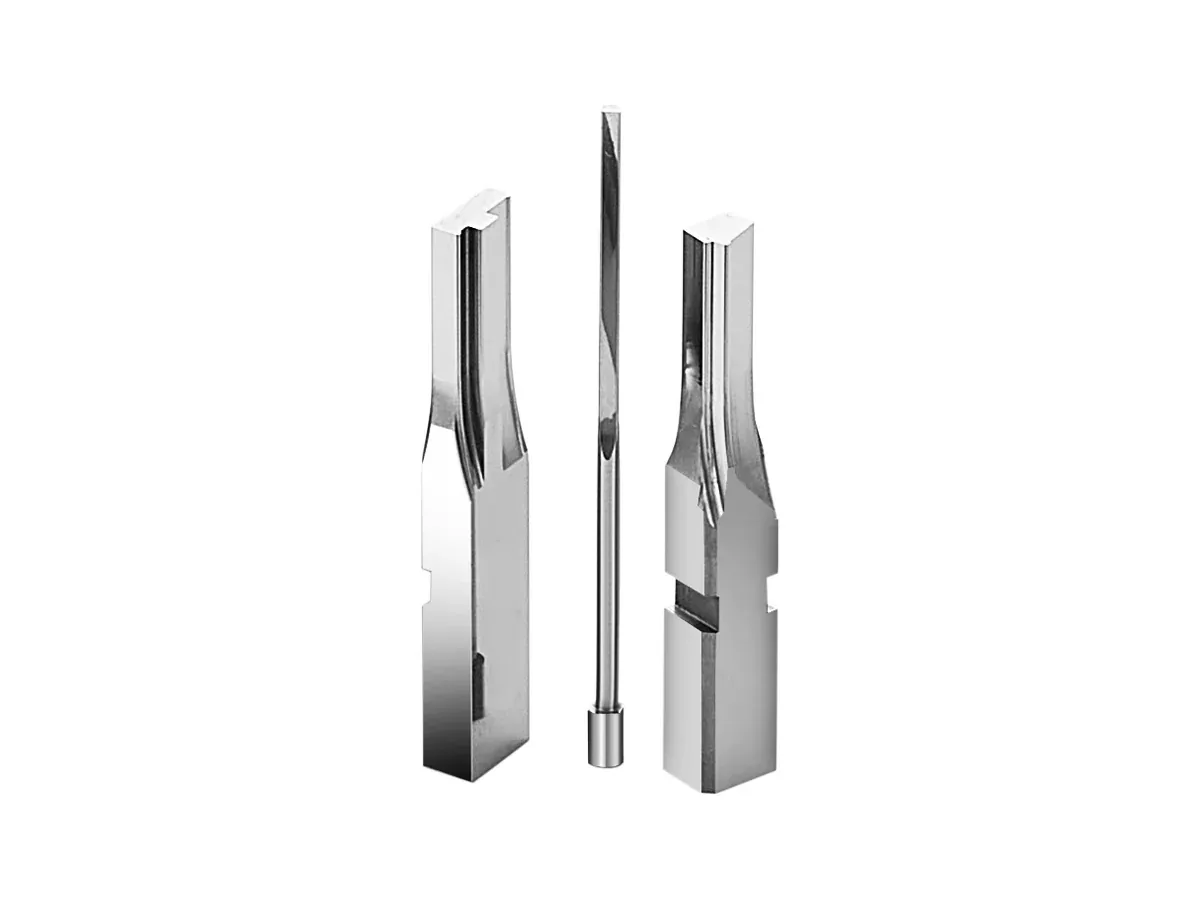 IES-T01
Punches and dies
Round, shaped and stepped punches, die buttons, in carbide, PM and tool steel.
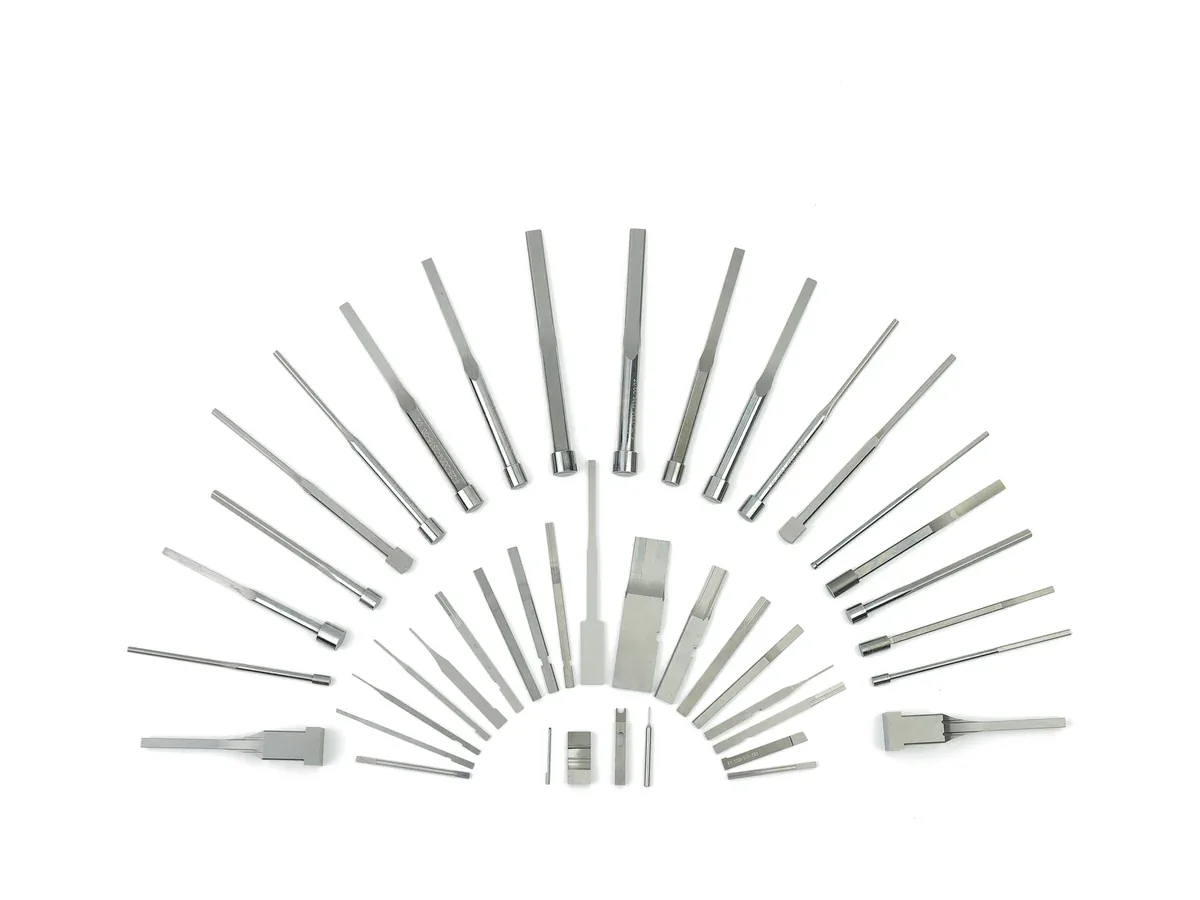 IES-T02
Ejector pins and sleeves
Nitrided and through-hardened pins, sleeves and blades to length.
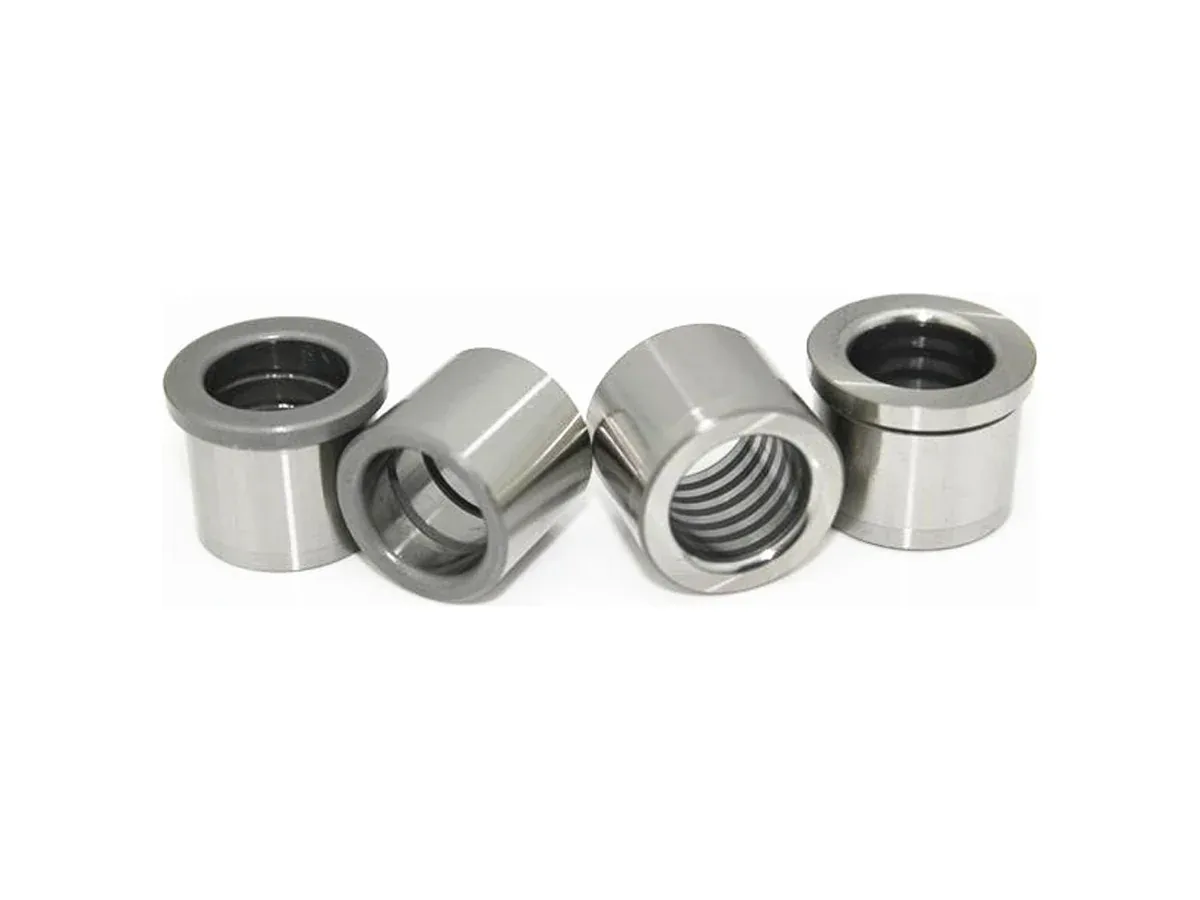 IES-T03
Guide pillars and bushes
Guide components and die set parts for progressive and transfer tools.
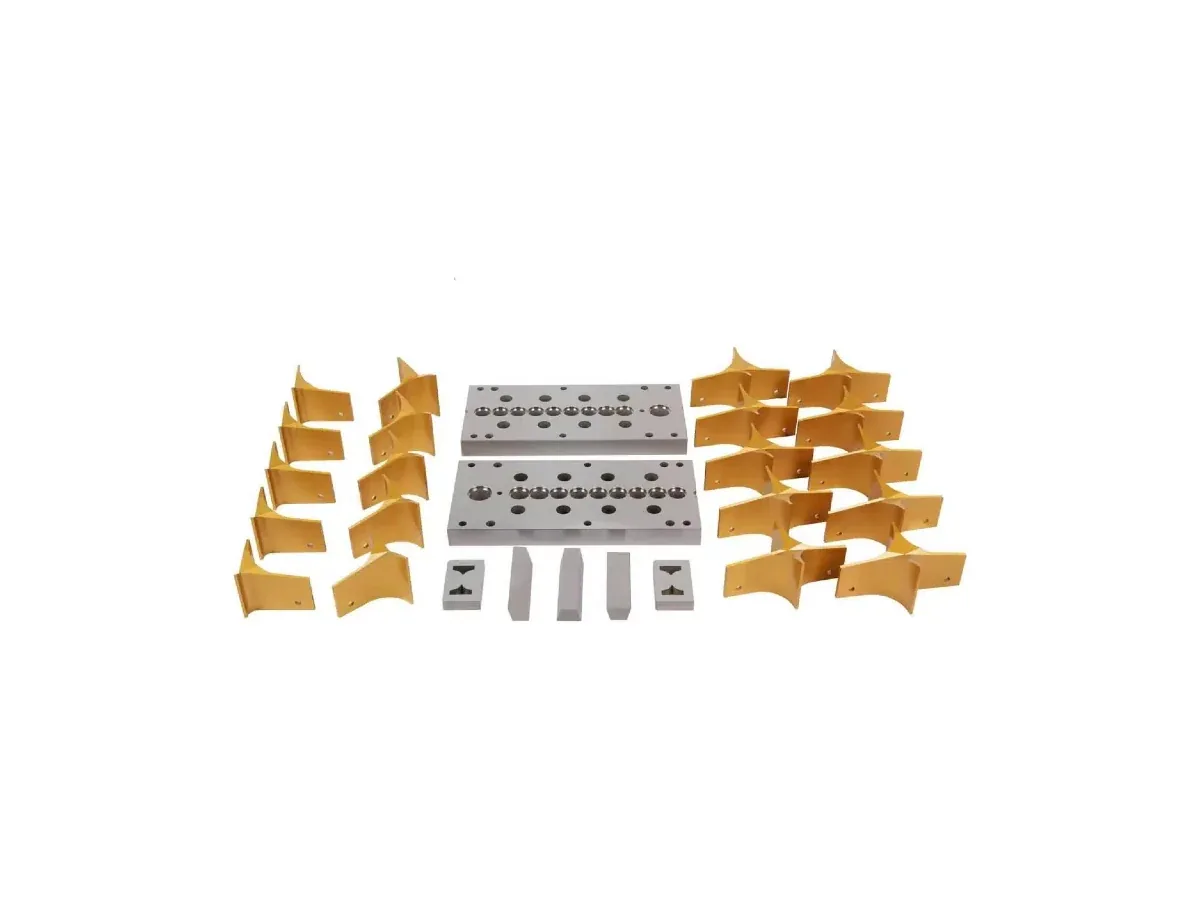 IES-T04
Mould and form inserts
Cavity, core and forming inserts ground to tolerance.
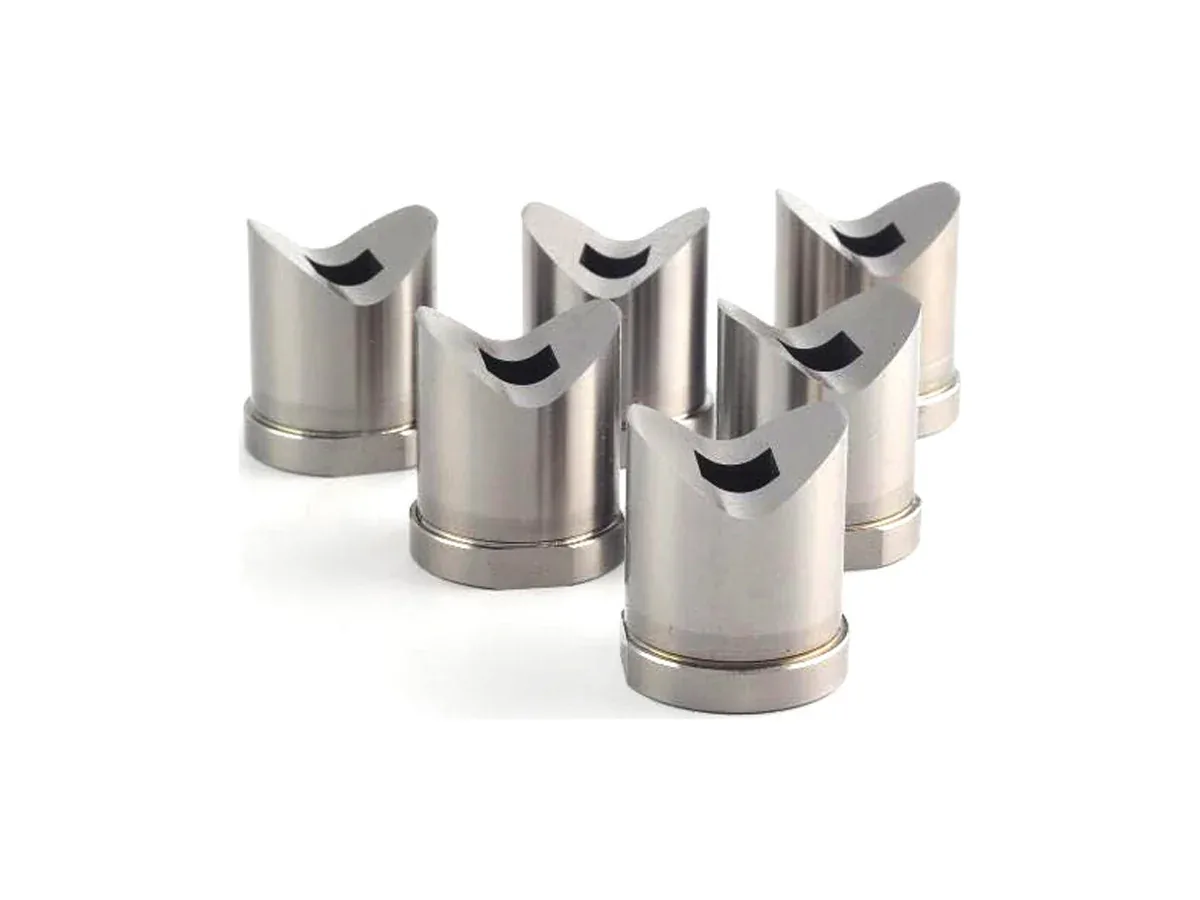 IES-T05
Carbide tooling components
Rings, bushes and inserts where tool steel wears too fast.
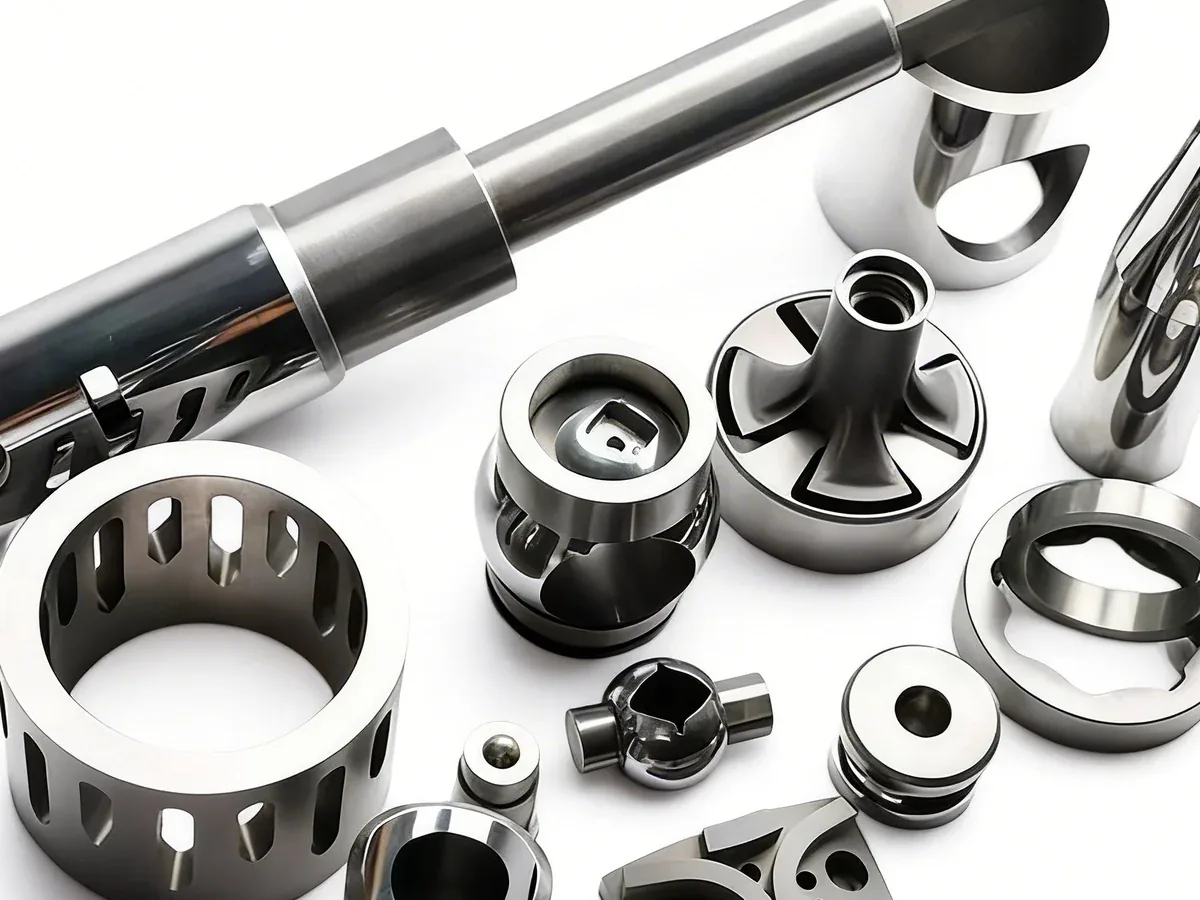 IES-T06
Precision CNC parts
Turned, milled and ground components in steel, stainless and carbide.
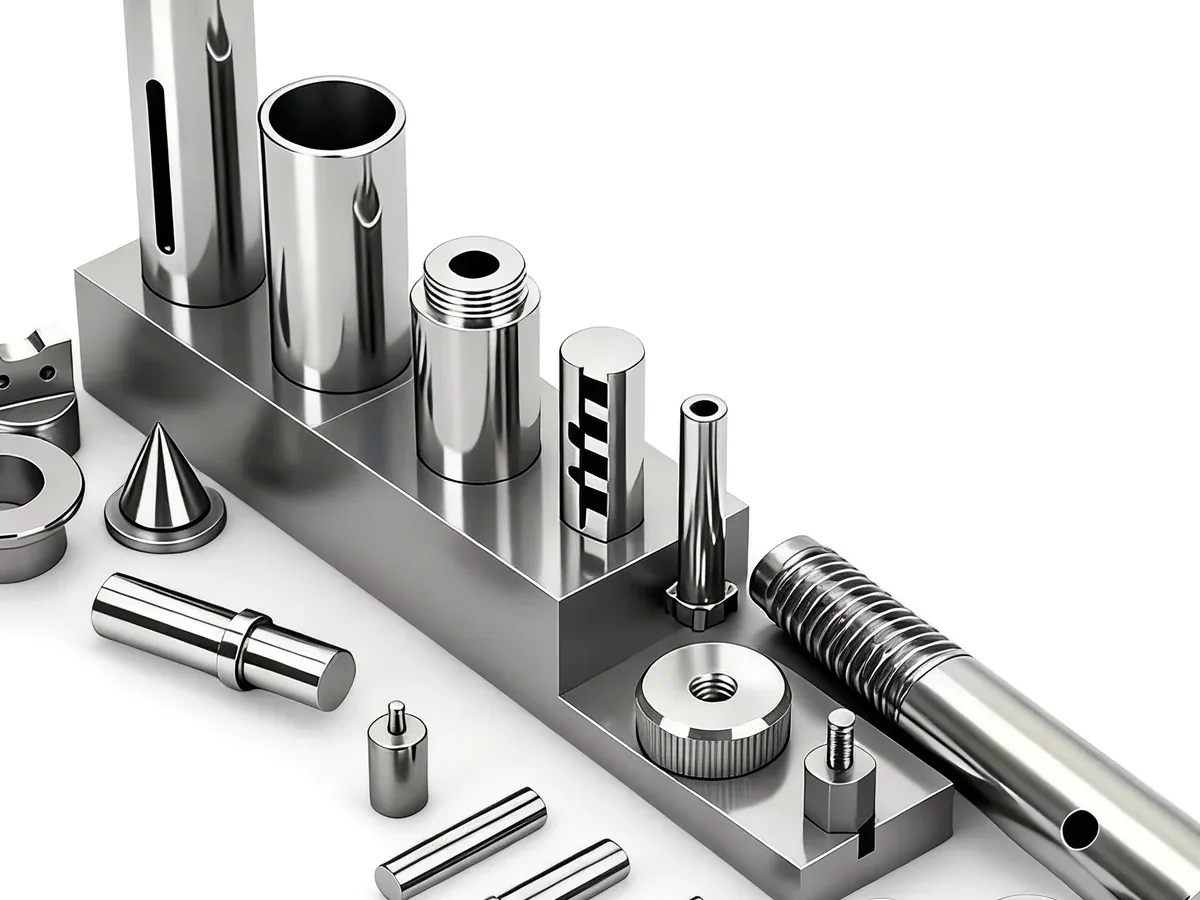
Your drawing is the starting point.
Send a PDF, STEP or the worn part. We check it for manufacturability, confirm material and critical tolerances, and plan the route: pressing and sintering for carbide, turning, milling, grinding, wire EDM and profile grinding for tooling. The quote comes back in rand, delivered, within 24 hours.
- Reverse engineering from a sample when there is no drawing
- Grade or steel recommendation when the original is failing early
- Trial lots in two or three grades so your machine decides
- Material certificate with every carbide order
What's wearing out?
Move the sliders to how your part fails and we'll point you at the grade. The quote form picks it up.
The grades we quote
Figures are typical for sintered WC-Co and vary by batch; a material certificate comes with every order. Need a grade not listed, or a nickel-binder grade for corrosion? Ask.
| Grade | ISO | Cobalt | Hardness | TRS | Grain | Where it earns its keep |
|---|---|---|---|---|---|---|
| YG6X | K05 to K10 | 6% | 91 HRA | 1 800 MPa | Fine | Sliding abrasion, seal faces, wire drawing dies, nozzles |
| YG6 | K10 | 6% | 90 HRA | 1 900 MPa | Medium | Wear plates, strips, blanks for grinding to size |
| YG8 | K20 | 8% | 89 HRA | 2 200 MPa | Medium | General wear parts, bushes, nozzles, rolls |
| YG11 | K30 | 11% | 87.5 HRA | 2 500 MPa | Medium to coarse | Impact plus abrasion: crusher wear, chipper knives, tillage |
| YG15 | K40 | 15% | 86.5 HRA | 2 800 MPa | Coarse | Mining buttons, drill bit inserts, heavy impact |
| YG20 | K40 plus | 20% | 85 HRA | 3 000 MPa | Coarse | Cold heading and stamping dies, punches |
Built around the tolerance.
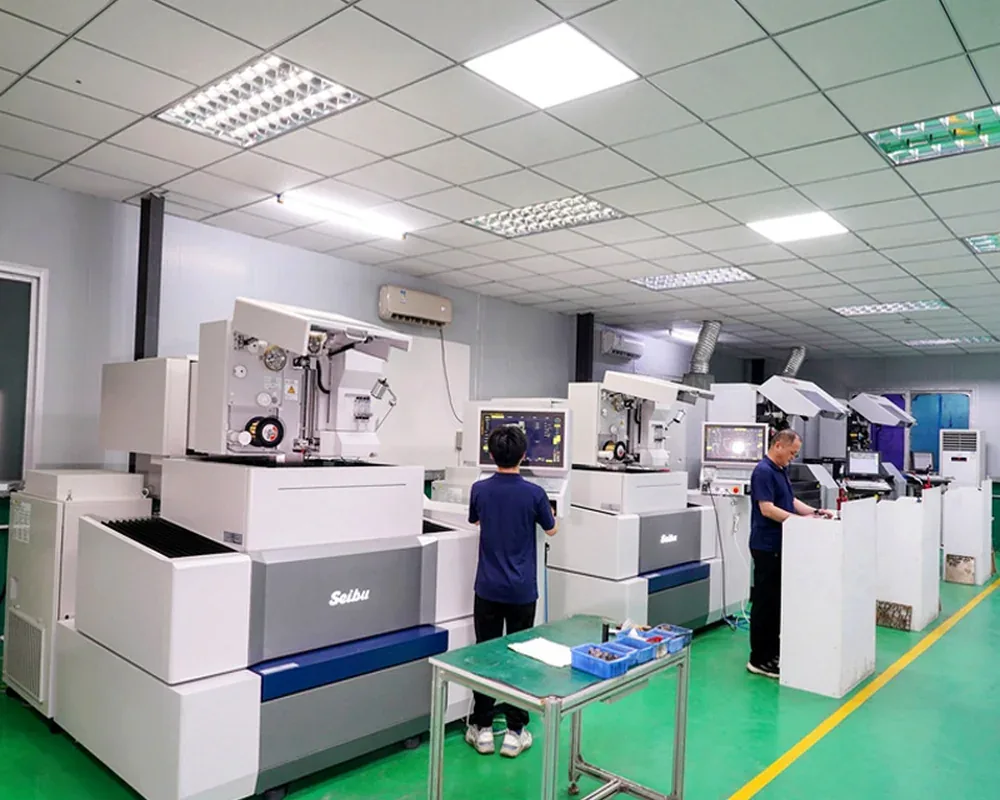
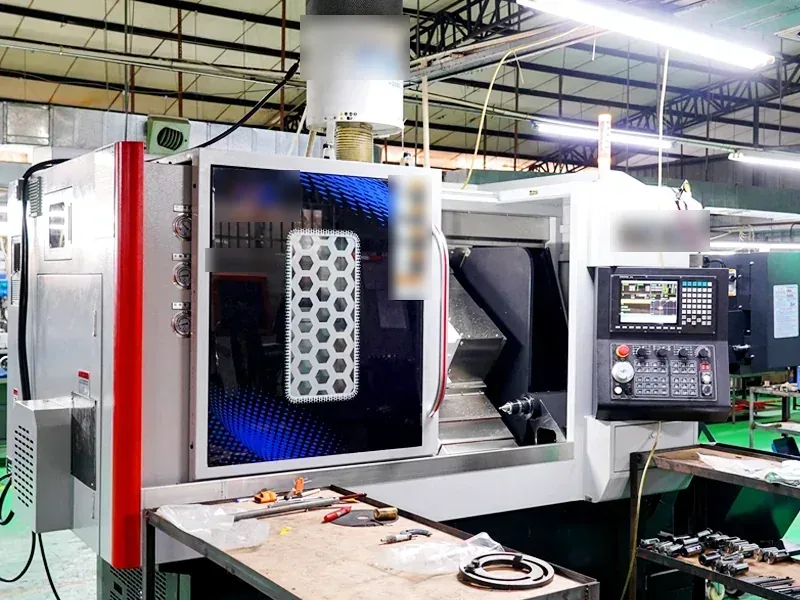
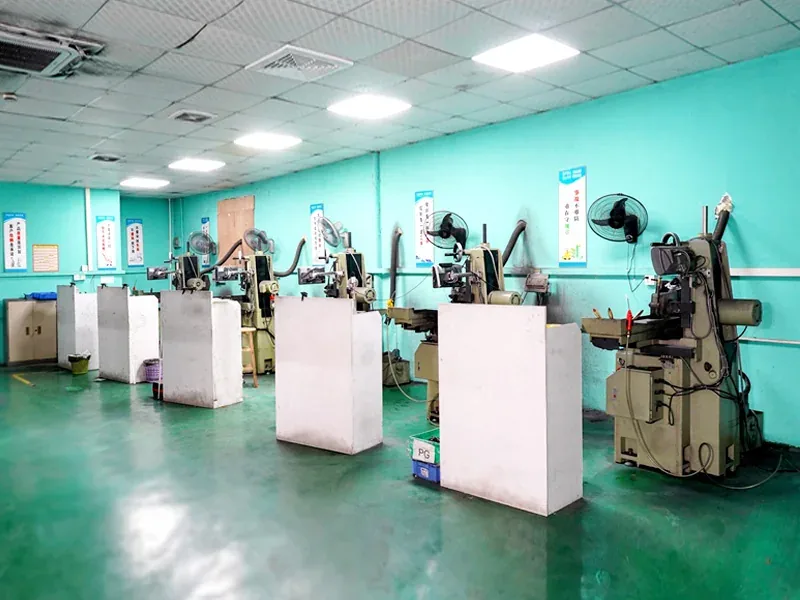
Your parts are made on the equipment the job calls for: optical profile grinding for punch and insert profiles, wire EDM for hardened and carbide shapes, CNC turning and milling, surface grinding, and pressing, sintering and HIP for carbide. All under ISO 9001:2015 quality control, and IES stands behind every part it delivers.
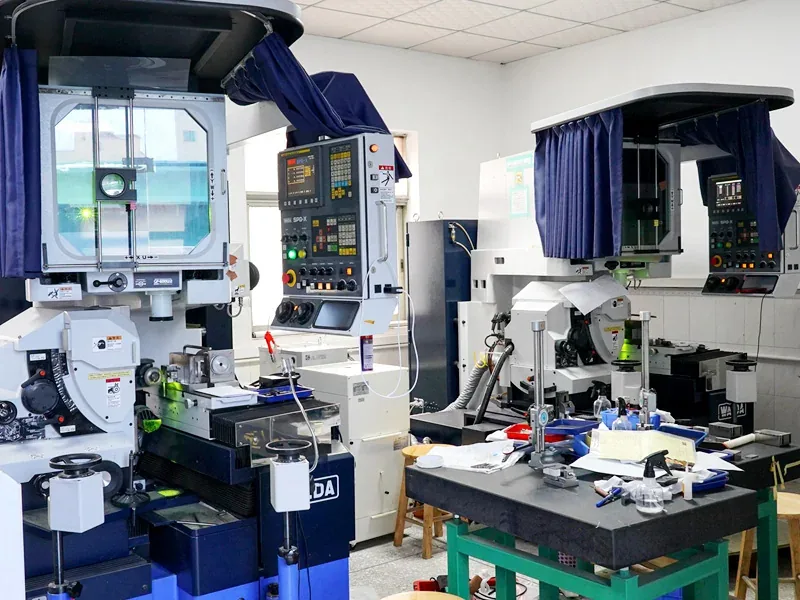
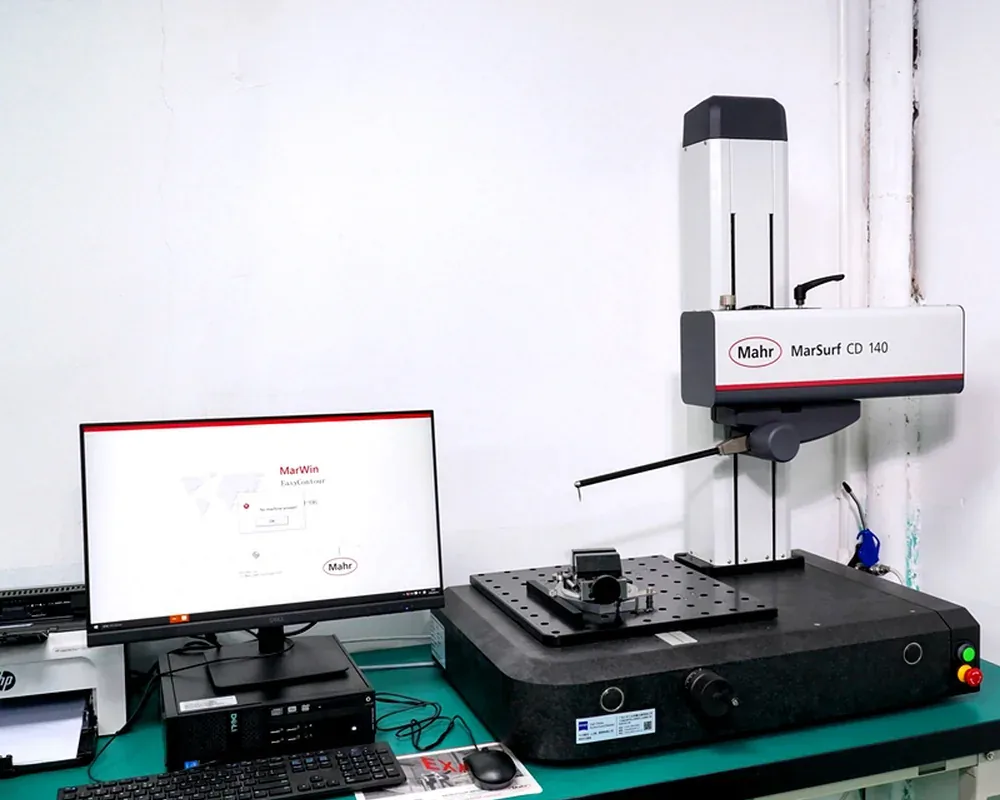
Inspection is part of production.
Incoming material checks, in-process control and final inspection before dispatch, with CMM, height gauges and surface measurement on the critical features of your drawing. Carbide ships with hardness, density and magnetic cobalt results. On request we add an independent check in Gauteng before delivery.
ISO 9001:2015 certified production. Certificate available on request.
How carbide is made
Tungsten carbide isn't cast or machined from bar. It's made from powder, and every step decides how the part behaves on your machine. Click a stage.
Tungsten carbide grains and cobalt powder are milled together
WC grains between 0.5 and 5 microns are ball-milled with cobalt (or nickel) powder and a wax binder for hours, until every grain is coated. Grain size and cobalt percentage are fixed here, and they are the two numbers that set hardness against toughness for the life of the part. Grade YG6 is 94% WC, 6% cobalt by weight.
The powder is pressed into a green compact
The mix is spray-dried into granules and pressed in a die at 100 to 300 MPa, or cold isostatically pressed for larger shapes. The "green" part is chalky, can be machined with ordinary tools, and is deliberately about 20% oversize in every direction, because it will shrink that much in the furnace.
Sintered at 1 400 to 1 500 °C, then hot isostatic pressed
In a vacuum furnace the cobalt melts and wets the WC grains, pulling the compact together into a solid with almost no porosity. Hot isostatic pressing (HIP) follows, at around 1 400 °C under 50 to 100 bar of argon, to close the last pores. This is the step that separates a part that chips from one that lasts.
Diamond grinding to size, then inspection
Sintered carbide is harder than any steel, so finishing is done with diamond wheels, EDM or lapping. Tolerances to a few microns and mirror finishes on seal faces are normal. Hardness (HRA), density and a magnetic cobalt check confirm the grade before it ships, and the certificate comes with your order.
See it made
Filling the die and pressing a single-hole carbide insert. Short clips, no sound.
Made for the places where failure is expensive.
Mining and mineral processing
Liners, studs, buttons, nozzles, screen and cyclone wear parts.
Metal stamping and press shops
Punches, die buttons, guide components, form inserts.
Wire, tube and fastener
Drawing dies, cold heading dies, rolls and guides.
Wood, paper and recycling
Chipper, shredder and granulator knives, saw tips.
Pumps, valves and seals
Seal faces, bushes, sleeves and nozzles in carbide.
Agriculture and construction
Tillage points, road-milling picks, tipped wear bars.
Have a drawing? Let's price the part.
Tell us what the part does and how it fails. Attach drawings or photos in the email that opens, or send them to sales@iescarbide.co.za.
065 987 5337 · Boksburg, Gauteng
Questions buyers ask
Which grade for abrasive wear?
For sliding abrasion with little impact, a low-cobalt fine-grain grade such as YG6 or YG6X (ISO K10, about 6% cobalt, 90 to 91 HRA) lasts longest. Add cobalt as impact increases: YG8 for general wear, YG11 to YG15 for impact and mining, YG20 for cold heading dies.
What is the lead time?
Standard blanks and catalogue wear parts: typically 4 to 6 weeks delivered in Gauteng. Custom parts to drawing: typically 7 to 10 weeks. Your quote states the lead time for your part.
Is there a minimum order?
Trial quantities are welcome. For a new part we usually quote a small trial lot in two or three grades so you can compare life on your own machine before committing to volume.
Can you match a part I already buy?
Yes. Send the drawing, or the worn part, and the grade marking if you have it. We match dimensions and grade and quote a trial lot alongside your current supply.
Where are you?
Boksburg, Gauteng. We deliver nationally. Site visits are done in Gauteng; if you are further out, send drawings or the worn part and we quote from those.